Reviewing the Hand-Drawn Conversation Bubble
As a designer who has spent countless hours staring at digitized files on my screen and even more hours watching needles punch through fabric, I have developed a keen eye for what works in the real world. We often get caught up in the digital perfection of a digital embroidery file, forgetting that thread behaves differently than pixels. Recently, I evaluated the Hand-Drawn Conversation Bubble to see if it holds up under the scrutiny of actual production. This is not just a graphic element; it is a potential cornerstone for a handmade product line, provided it is applied with intention and technical care.
First Impressions: Mood and Visual Personality
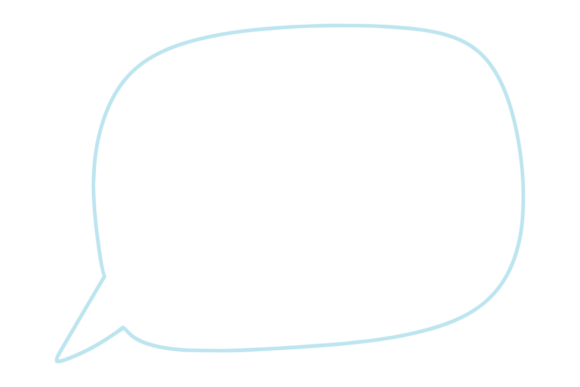
The first thing that strikes you about the Hand-Drawn Conversation Bubble is its approachable softness. In a market saturated with rigid, geometric vectors, this design offers a human touch. The edges are rounded, avoiding the sharp corners that can sometimes cause thread breaks or puckering in smaller hoop sizes. The described mint green hue suggests a calming, modern aesthetic, though as embroiderers, we know we are not bound by the preview colors. This flexibility allows us to adapt the design for various thread colors to match specific brand palettes or seasonal trends.
The visual personality here is conversational and light. It does not shout; it invites. For a craft business owner, this is invaluable. It suggests dialogue, thought, and personality without being overly literal. Whether used for a witty quote or a simple monogram, the bubble acts as a frame that elevates the content within. It feels native to the Crafts category, bridging the gap between digital Graphics and tactile art.
Real-World Application: From Screen to Stitch
To truly test the viability of this design, I imagined a specific scenario: a custom order for a local boutique selling eco-friendly tote bags. The client wanted a series of bags with empowering affirmations. The Hand-Drawn Conversation Bubble was the perfect container for these short phrases. On a canvas tote bag design, the rounded shape complements the natural texture of the cotton. Unlike sharp-edged boxes, which can look stiff on soft fabric, this bubble flows with the material.
I also considered its use in sweatshirt embroidery. Here, the design’s simplicity is a strength. Heavy fleece can distort complex details, but the broad, open nature of a conversation bubble allows for clear stitching. Using a fill stitch for the background of the bubble could provide a nice contrast against the fuzzy texture of the sweatshirt, while a running stitch or simple outline might be better for a more subtle, vintage look. The key is balancing the stitch density so the garment remains comfortable and does not become board-like.
For baby embroidery projects, such as bibs or onesies, the soft edges are particularly appropriate. Harsh lines can feel aggressive on items meant for infants. This design, when scaled down appropriately, creates a gentle focal point. However, one must be cautious with tiny lettering inside the bubble. If the text is too small, the stitches may merge, losing legibility after washing. Always test the scale on scrap fabric before committing to the final finished product.
Technical Considerations and Fabric Compatibility
While the Hand-Drawn Conversation Bubble is versatile, it is not universal. There are specific contexts where caution is required. For instance, on stretchy fabrics like jersey knits, proper stabilization is non-negotiable. Without a cut-away stabilizer, the tension of the stitches could distort the bubble’s shape, turning a perfect circle into an oval. Similarly, on textured fabrics like terry cloth or linen, the intricacy of the outline might get lost. In these cases, increasing the stitch width or using a contrasting thread color can help maintain visibility.
Dark fabrics present another challenge. If the design relies on a light mint green or white thread, ensure your machine’s tension is perfectly calibrated to prevent the underlying fabric from showing through the stitches. A satin stitch border might help define the edges more clearly against dark backgrounds. Conversely, on light fabrics, a dense fill might be visible from the back, so consider using an applique technique if the design size permits. An applique design approach would involve stitching the outline, placing a piece of fabric, and then stitching over it, reducing bulk and thread usage.
Curved surfaces, such as caps or hats, require careful placement. The center of the bubble should align with the curve of the cap to avoid distortion. Testing on a curved hoop is essential. What looks flat on the screen will wrap around the head, and the perspective change can alter the perceived shape of the Hand-Drawn Conversation Bubble.
Enhancing Brand Value and Customer Engagement
For an Etsy seller or small shop owner, the choice of design elements directly impacts perceived value. A well-executed conversation bubble adds a layer of professionalism and thoughtfulness to a personalized gift. It signals that the creator cares about presentation. When customers see a clean, well-stitched design, their trust in the brand increases. This design, with its friendly aesthetic, encourages engagement. It invites the viewer to read, to connect, and to share.
In terms of commercial embroidery, this asset can be part of a larger suite of design assets. Imagine using it across a range of products: aprons for a cooking class, pillow covers for a home decor line, or patches for a community group. Consistency in using such recognizable shapes helps build brand identity. When used in printable mockup previews, the clear lines of the bubble translate well, giving online shoppers a realistic expectation of the final item.
Practical Designer Notes for Best Results
Before you load this embroidery file into your machine, take a moment to review the technical specs. Since specific stitch counts and format compatibilities are not always listed in basic descriptions, verify that the file matches your machine’s requirements. Check the recommended hoop size to ensure it fits your project dimensions. If the design is intended for small items like pockets or cuffs, ensure the minimum size recommendation allows for legible stitching.
- Test on Scrap Fabric: Always run a test stitch-out on the same type of fabric you plan to use for the final product. This reveals issues with tension, density, and registration.
- Check Thread Contrast: Ensure your chosen thread color stands out against the fabric. High contrast improves readability, especially for any text inside the bubble.
- Review Stitch Density: If the design feels too heavy, consider reducing the density in your editing software to prevent puckering, especially on lighter fabrics.
- Inspect Small Details: Zoom in on the digital file to check for any potential jump stitches or tight turns that might cause thread breaks.
- Confirm Licensing: Before selling items made with this design, confirm the license terms. Most commercial designs allow for physical sales but restrict the resale of the digital file itself.
In conclusion, the Hand-Drawn Conversation Bubble is a thoughtful addition to any designer’s library. It balances aesthetic charm with practical applicability. By understanding its strengths and limitations, you can leverage this design to create high-quality, engaging products that resonate with customers. Whether you are creating a holiday embroidery gift or stocking your small shop product lineup, this design offers a reliable, stylish foundation for your creativity.